
Intent Cluster Mapping
Site hierarchy is organized around thematic intent groups rather than ad-hoc page creation.
SITE STRUCTURE SERVICES
We design site structure around intent pathways, page hierarchy, and internal linking logic so your website is easier to crawl, understand, and convert through.
ARCHITECTURE STRATEGY
We align top-level structure, category depth, and page relationships to intent-driven journeys that improve discoverability and reduce navigation friction.

Site hierarchy is organized around thematic intent groups rather than ad-hoc page creation.
Parent-child relationships are structured so users and crawlers can interpret priority quickly.
Link architecture supports topical authority and practical next-step user movement.
URL patterns are designed for growth without creating structural clutter or cannibalization.
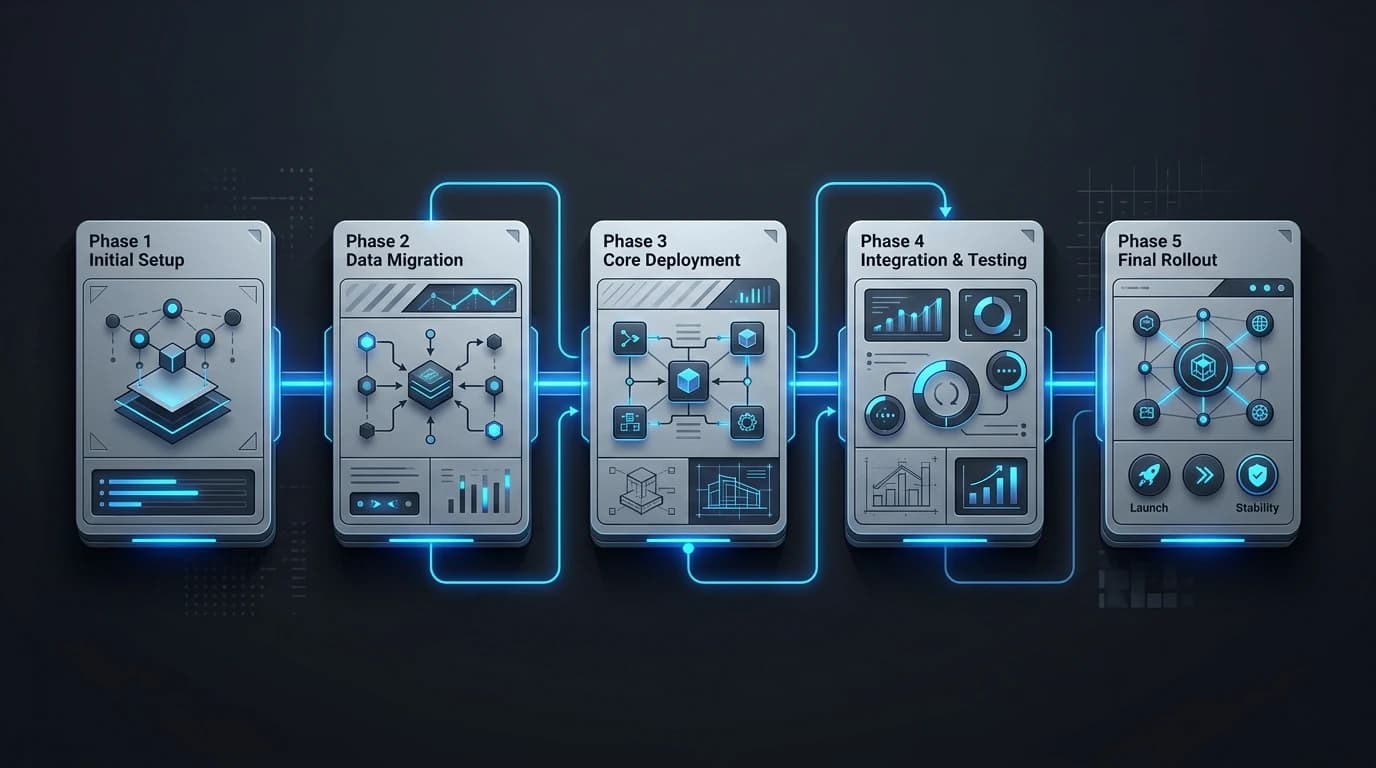
IMPLEMENTATION ROADMAP
We sequence structural updates by impact and dependency to protect existing traffic while improving crawl and conversion pathways.
PERFORMANCE IMPACT
A stronger architecture supports better indexing, clearer topical coverage, and more efficient navigation through high-value pages.
These guides expand on the strategy behind this service and help connect the page to the broader content cluster.

content hub strategy
Search engines are getting smarter. They no longer rank websites based solely on how many times a keyword appears on a page. Instead, they look for deep, comprehensive expertise on specific subjects. This shift means that publishing random, disconnected blog posts is a fast track to getting ignored by both readers and search algorithms.
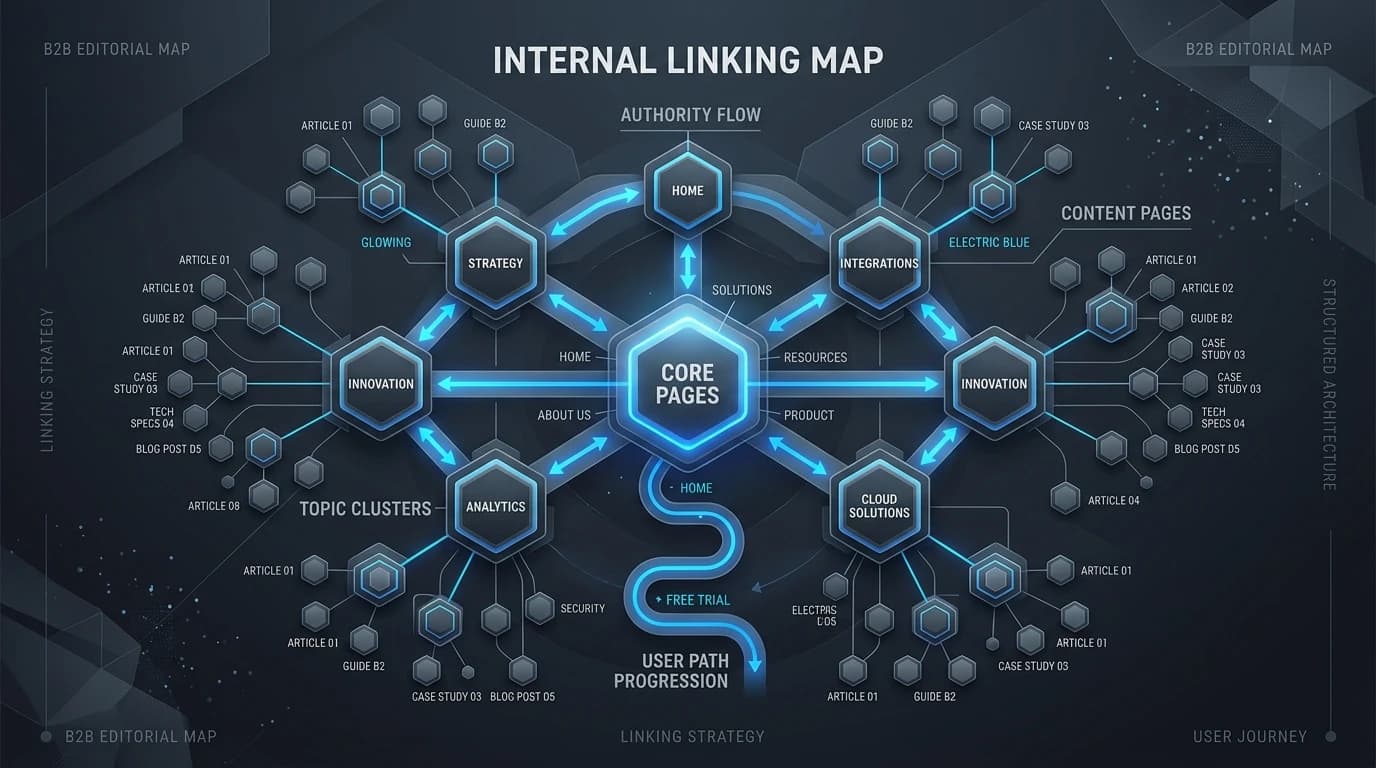
internal linking strategy
Most website owners obsess over acquiring external backlinks. They spend countless hours doing outreach, negotiating placements, and writing guest posts. Yet they often ignore a highly effective SEO mechanism right at their fingertips.
SITE STRUCTURE FAQ